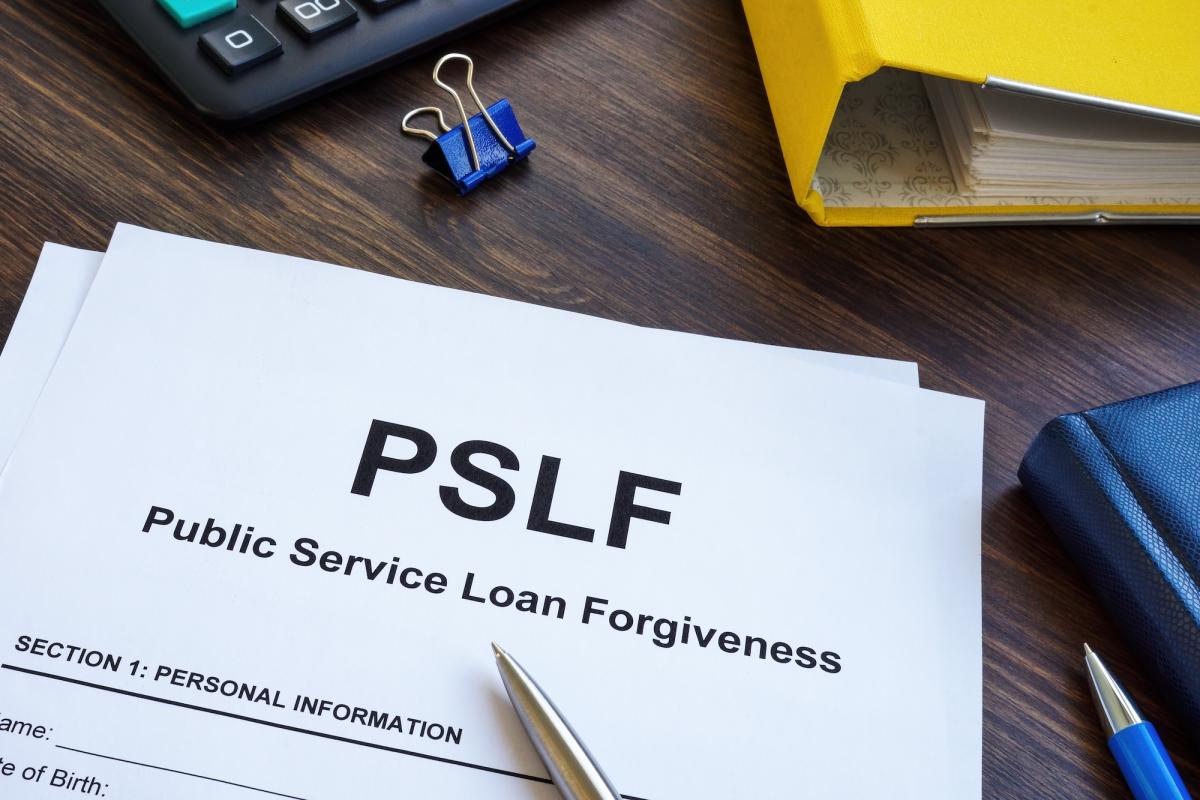
Significant changes to the Public Service Loan Forgiveness (PSLF) program were scheduled to take effect on Wednesday, July 1, affecting both current and future borrowers. Two key changes are going into effect from H.R. 1 (the “One Big Beautiful Bill Act”) passed by Congress last year:
Repayment plan changes for current borrowers.
As the SAVE plan is phased out, loan repayment costs will increase. The default standard repayment plan is not PSLF-eligible, meaning borrowers must affirmatively opt into the new PSLF-eligible repayment plan to maintain program eligibility.
Borrowing caps for new borrowers.
Graduate degree borrowing will be capped at $20,500 per year and $100,000 total, down from the current cost-of-program standard.
Furthermore, a federal court has blocked another change scheduled to go into effect on July 1. Late on Tuesday, June 30, the Federal District Court for the District of Massachusetts struck down as unconstitutional a rule that would have allowed the Secretary of Education broad authority to disqualify employers from PSLF participation upon finding that the employer is engaged in activity with a "substantial illegal purpose." With this intervention, the rule will not go into effect anywhere in the country, at least for now. The court’s decision is likely to be appealed and may ultimately be decided by the U.S. Supreme Court. NLADA submitted a public comment opposing the proposed rule last fall.
For more details, NPR has a write-up on the repayment plan and borrowing cap changes, and the ABA has a summary of the new employer disqualification rules.
NLADA Mutual Insurance Co., RRG